Knowledge Base
hitential.com
Online reviews
No reviews surfaced yet.
News & articles
No news mentions found.
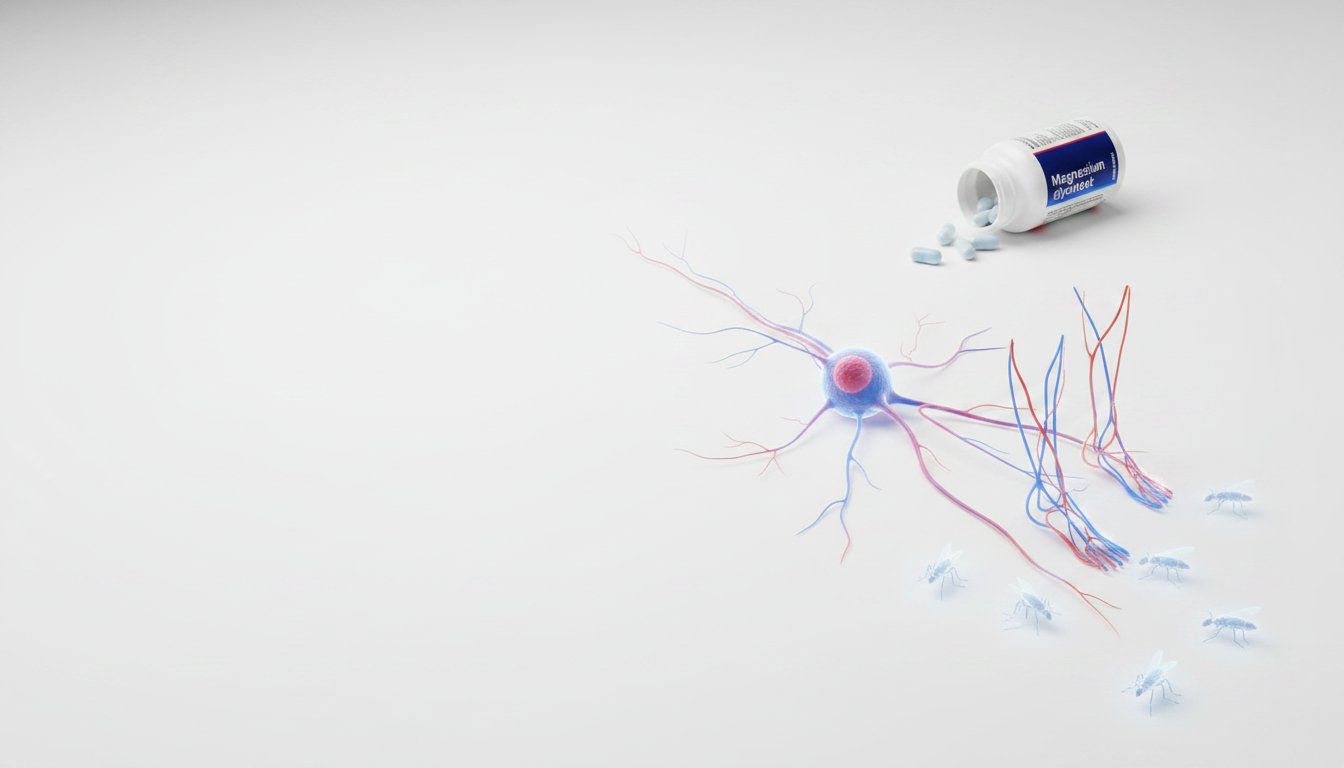
Why your brain confuses nerve saltation with the sensation of insects crawling
The sensation that insects are marching under your skin—technically called formication—is one of the most distressing ways the brain misinterprets nerve misfires. When your legs fe

Why your brain confuses central nerve fatigue with electrolyte 'noise'
The sensation of 'fidgety' legs or sudden muscle jerks often feels like a purely physical failure in the muscle fiber itself. But data suggests that for most people in 2026, the is
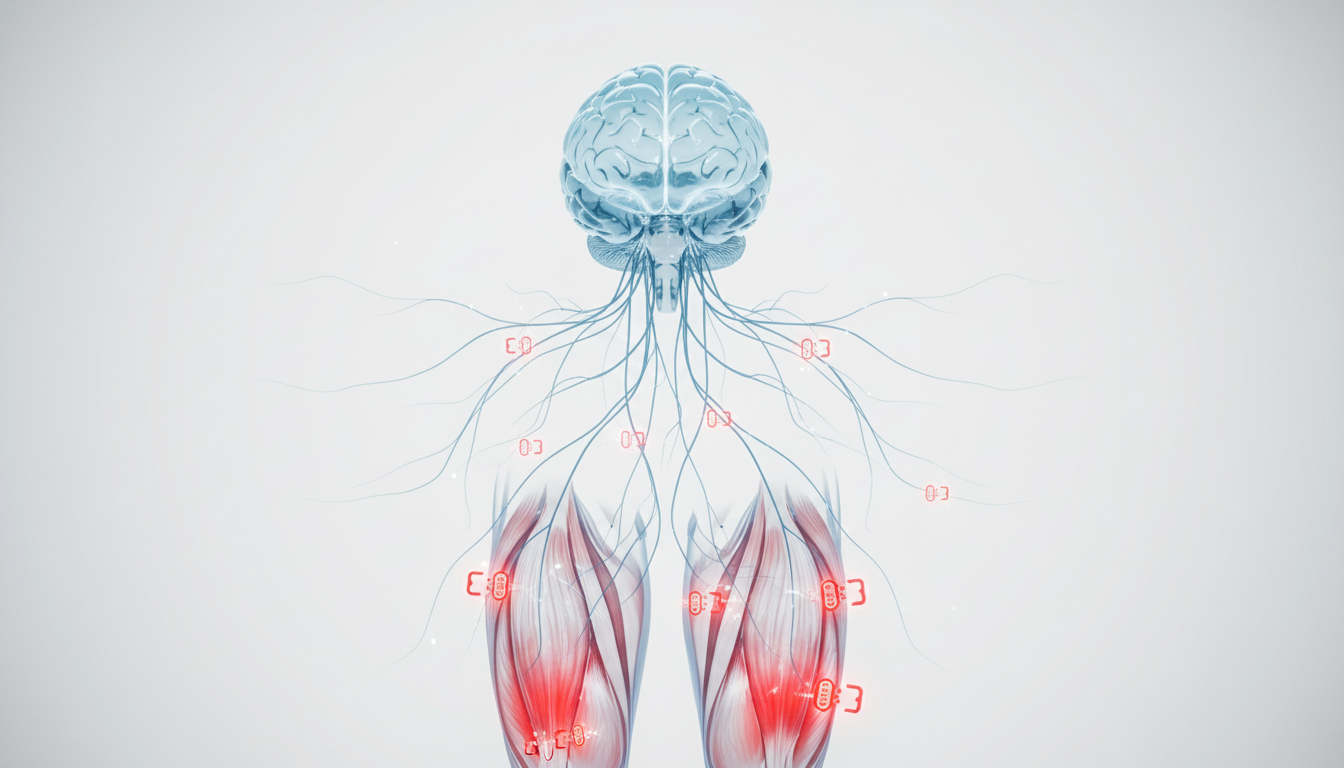
Why your brain's calcium-ion channels trigger sudden leg locking
Nighttime leg cramps aren't just a sign you've walked too far; they're the result of a physiological 'short circuit' where your brain's electrical signals to your muscles get stuck

Why your brain's peripheral nerves crave Vitamin B12 for leg stillness
The sensation of ants crawling under your skin or an invisible electric current humming through your calves often boils down to a failure in nerve insulation. When the myelin sheat
Why magnesium glycinate hits differently for nighttime leg cramps
Most people buying magnesium for leg cramps are flushing their money down the toilet because they're picking up the cheapest bottle at the pharmacy—usually magnesium oxide. The bod
Why your brain's lymphatic drainage mimics the sensation of itchy legs
The sensation of 'creepycrawlies' or deep internal itching in your legs often has nothing to do with your skin or your muscles. It's usually a sensory processing error happening in

Why your brain confuses mineral depletion with restless leg 'static'
Mineral depletion in the nervous system doesn't always show up as a deficiency on a standard blood panel. Often, your brain interprets a lack of specific electrolytes as a 'static'
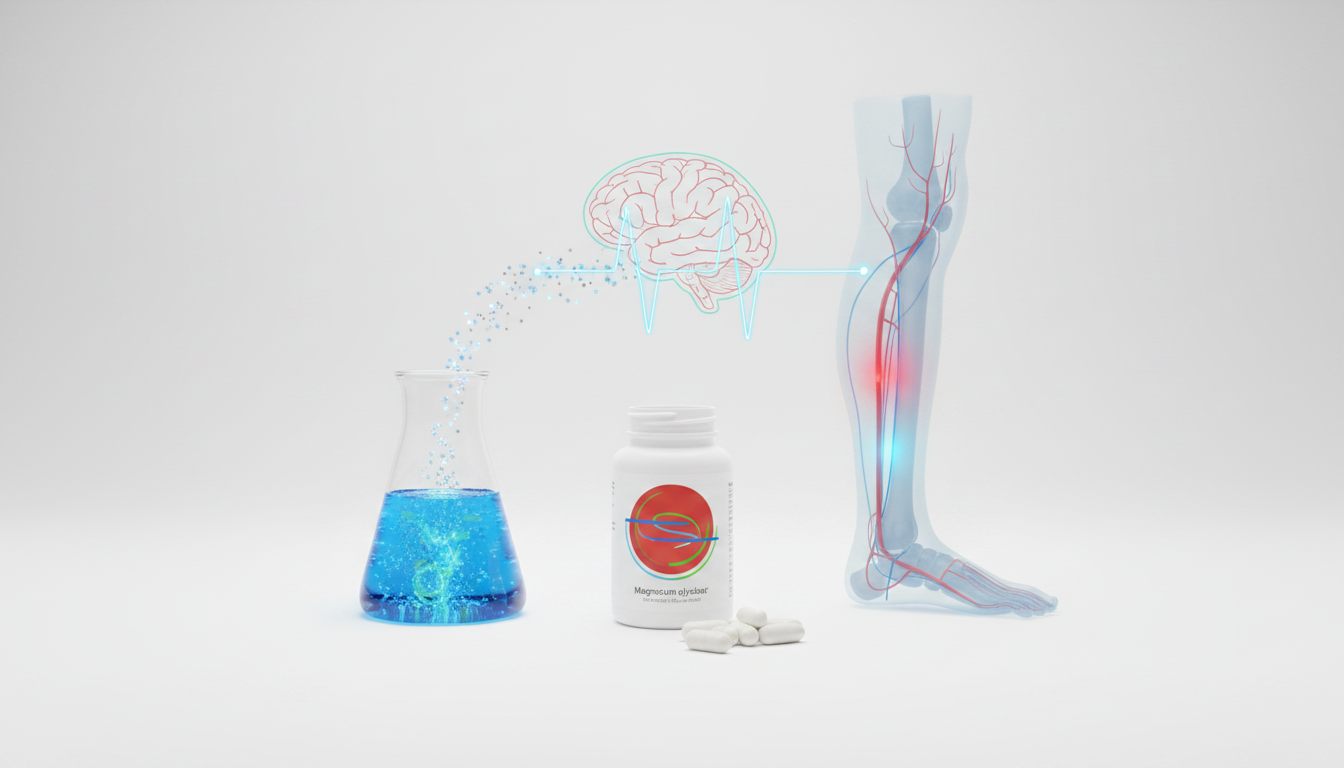
Why your brain's nitric oxide levels dictate nighttime leg stillness
Low nitric oxide levels in the microvasculature of the legs create a local state of hypoxia—or oxygen deprivation—that signals the brain to initiate movement. When your vessels don

Why your brain's salt-to-water ratio is the hidden trigger for leg spasms
Most people think leg cramps and the irresistible urge to move are just about being tired or needing more water. It's actually a precision issue. Your nerves rely on a very specifi
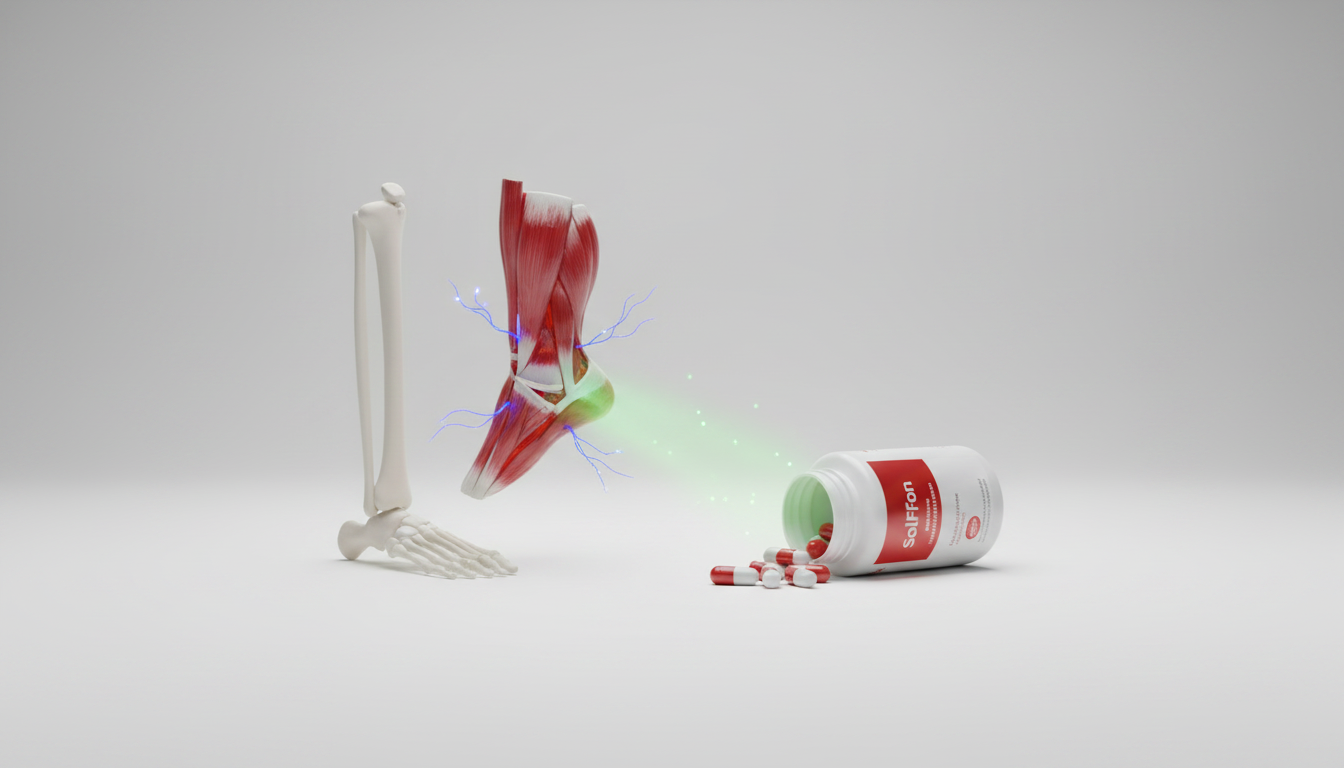
Why your calf muscles behave like a separate organ at night
A sudden, deepseated urge to move your calves isn't just a behavior or a twitch—it's a physiological response to a localized signaling error. When you lay down, your calf muscles o
Why your brain's thermal regulators mistake cold feet for restless legs
Low skin temperature in the feet triggers a compensatory reflex that forces blood vessels to constrict and dilate rapidly, often creating a 'buzzing' or 'pinging' sensation that th

Why your brain's dopamine receptors stop talking to your legs at night
You're exhausted, the lights are dimmed, and you've finally found a comfortable position. Then it starts—that deep, irresistible urge to move your legs. It isn't a cramp or a sore
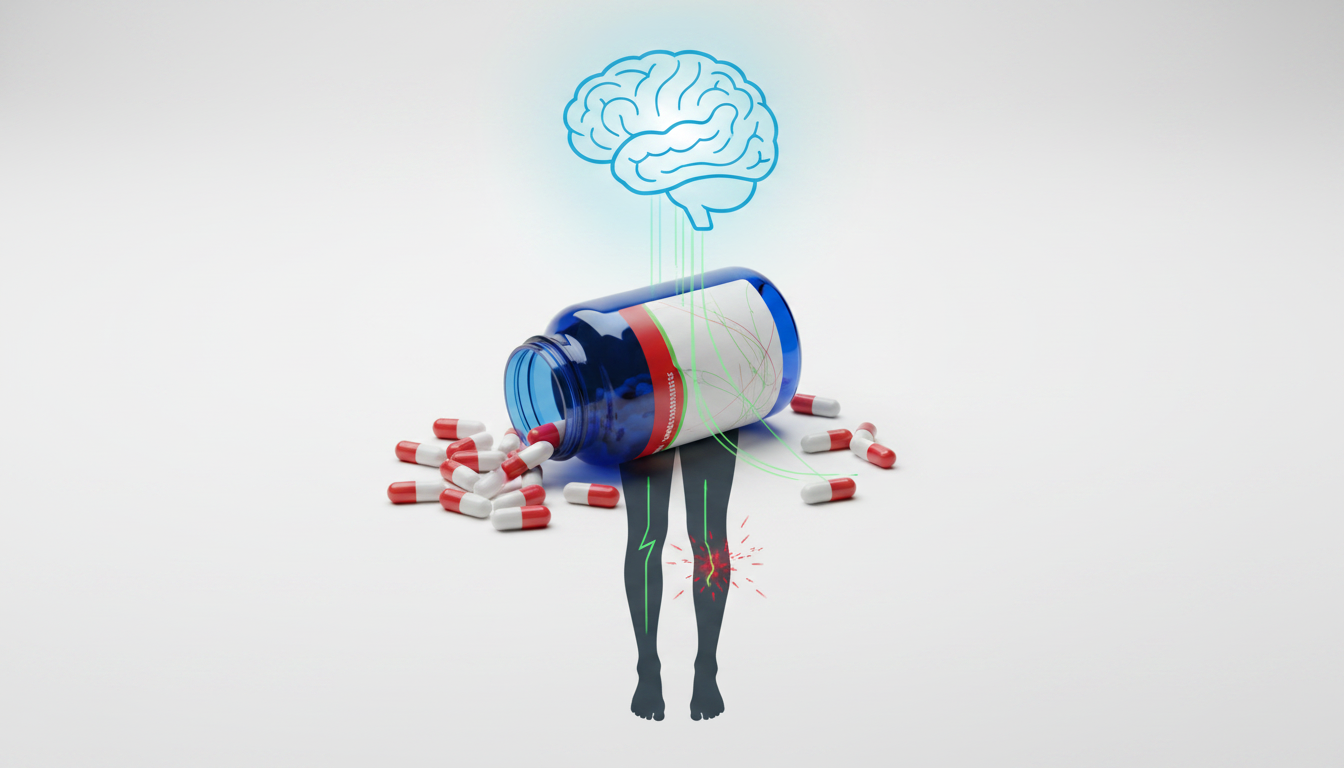
Why your brain's GABA levels determine if your legs can stay still
Muscle stillness isn't just a physical state; it's a neurological command. When you're trying to sleep in 2026, your brain should be signaling your motor cortex to dampen activity.
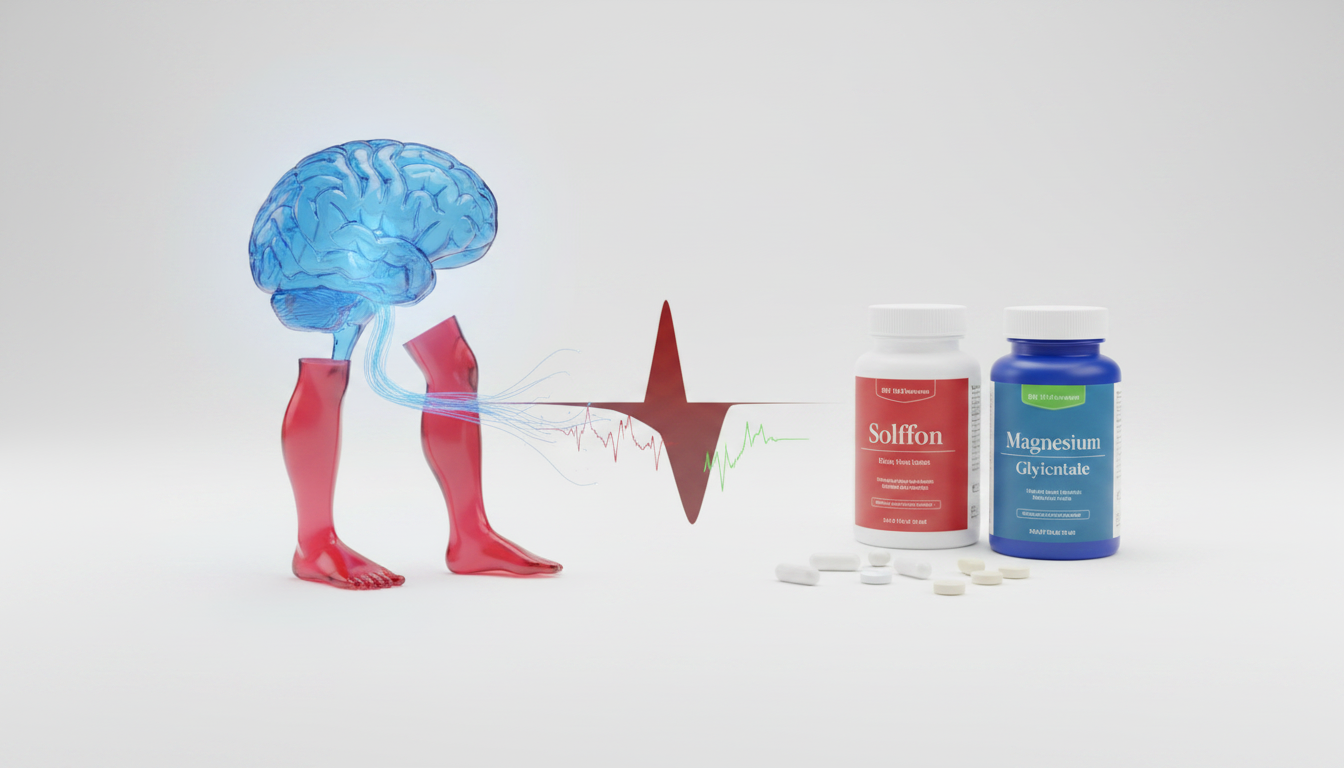
Why your brain's dopamine drop at 8 pm triggers leg restlessness
The biological clock isn't just about feeling tired; it controls the ebb and flow of neurotransmitters that keep your limbs still. For many, 8 pm marks the start of a 'phantom' urg
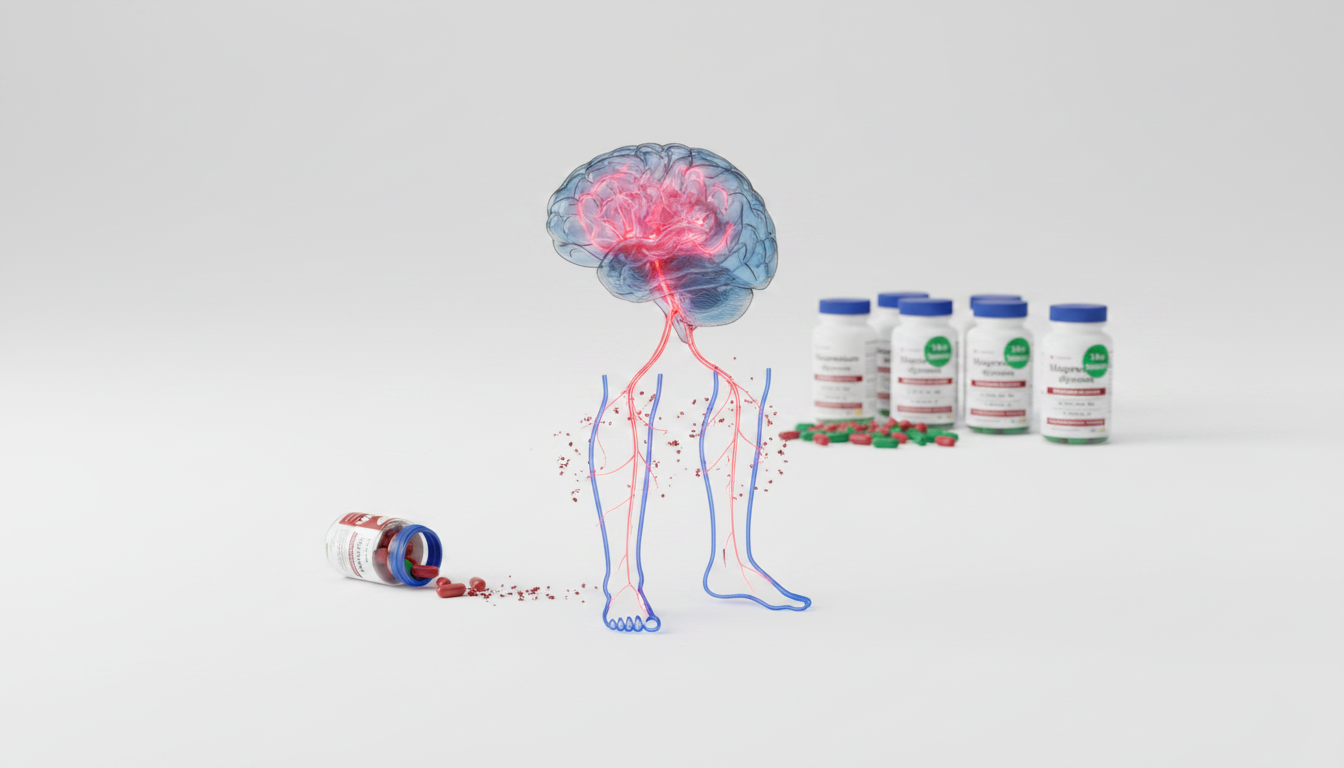
Why your brain's glutamate levels make nighttime leg stillness impossible
A racing brain usually leads to a racing heart, but for many, it leads to legs that simply won't stay still. This isn't a muscle problem or a lack of selfdiscipline; it's often a c

Why your brain's iron levels can be low even if your blood test is normal
Standard blood panels for iron often miss the mark because they measure what's circulating in your veins, not what's actually crossing the bloodbrain barrier. If you're dealing wit
Why your brain's dopamine rhythm controls your leg restlessness
Low dopamine levels in the brain's basal ganglia at night are the primary biological drivers of the urge to move your legs. While many people think of dopamine as a 'mood' chemical

Why specific dopamine precursors are the missing link for restful legs
The sensation of Restless Legs Syndrome (RLS) is often described as a 'phantom itch' deep inside the bone or a buildup of static electricity that only movement can discharge. While
Why your brain's dopamine drop at 8 PM triggers the urge to walk
The biological clock doesn't just manage when you feel sleepy; it dictates the precise moment your nerve endings become hypersensitive. Most people with restless legs notice a shar
Why nerve signaling in the legs creates a 'phantom drive' to walk at midnight
The sensation isn't a cramp, and it isn't quite a tingle. It's a deep, internal command—a 'phantom drive'—originating in the nervous system that insists your legs must move immedia

Why nerve-mediated leg restlessness creates a false sense of urgency
The sensation isn't just an itch or a cramp; it's a command. When you're lying in bed in 2026, and your legs feel like they're being filled with static electricity or 'fizzy' water

Why nerve-mediated leg restlessness mimics a 'phantom itch' in the bones
The sensation of needing to move your legs at 2 am rarely feels like a standard muscle ache or a cramp. Instead, it’s often described as a 'phantom itch' that exists somewhere betw

Why nerve-mediated leg jerks are often mistaken for standard muscle knots
Most people assume that if their leg is jumping, twitching, or won't stay still, they just have a 'tight muscle' that needs a good stretch. In reality, what feels like a physical k

Why nerve-mediated leg restlessness behaves differently than physical fatigue
Most people think a long day on their feet is the reason their legs won't stop twitching at 11 PM. It isn't. Physical exhaustion usually leads to a heavy, sinkintothemattress feeli
Why nerve-related leg kicks won't respond to standard stretching
Most people instinctively reach for a foam roller or try to touch their toes when their legs begin to twitch or 'crawl' at night. However, if the sensation is neurological—rather t
Why nerve-focused relief works when standard muscle relaxants fail
Most people reach for a heating pad or a standard muscle relaxant when their legs won't stop moving, but these often fail because the problem isn't in the muscle fiber itself. It's
Why a high-protein diet might be making your restless legs spike
Most people assume a steak dinner is the ultimate 'clean' meal, but for those of us dealing with that frantic crawling sensation in our calves at 11 PM, it might be the hidden trig
Why nerve-targeted nutrient ratios outperform generic muscle supplements
Most people treat nighttime leg discomfort as a simple muscle issue, but the breakdown usually happens at the neuromuscular junction—the bridge where your nerves tell your muscles
Why does vitamin D deficiency make restless legs feel more painful?
Low vitamin D levels don't just affect bone density; they act as a volume knob for nerve pain and sensory discomfort in the lower limbs. When vitamin D is deficient, the body's abi
Why high-dose magnesium often stops working after the first two weeks
A sudden stop in relief after a few weeks of magnesium supplementation is usually caused by an electrolyte imbalance rather than a builtin tolerance to the mineral itself. When you
No FAQ items yet.